New Trends in Dog Names in Kansas City
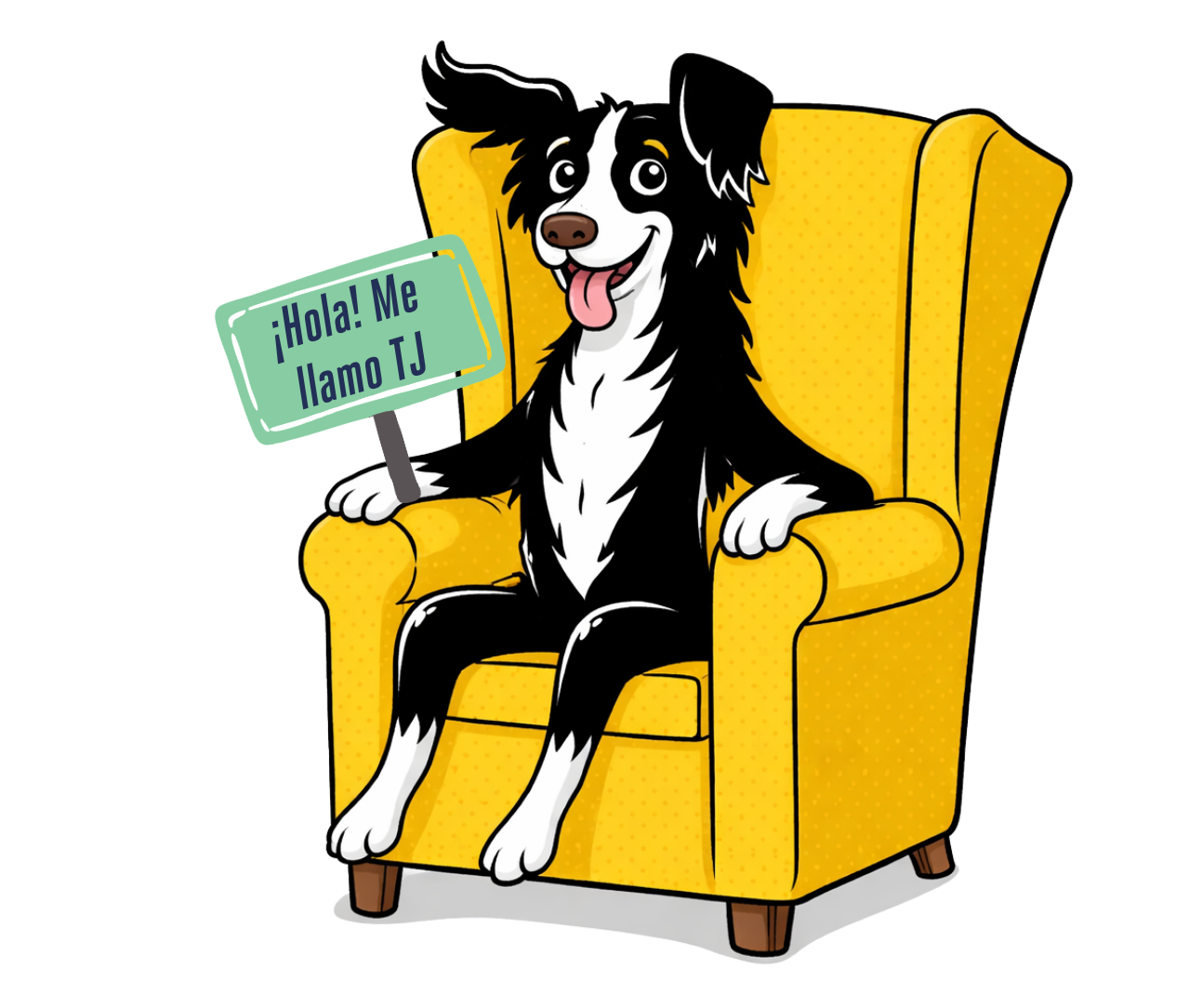
From human names to food-inspired favorites — here’s what’s trending in dog names.
If you’ve spent any time at dog parks, vet offices, or scrolling pet accounts lately — especially here in Kansas City — you’ve probably noticed something: Dogs are no longer named Spot. They’re named Oliver. Luna. Charlie. Juniper. Atlas. Mabel. In fact, if someone yelled “Steve!” at our Kansas City dog daycare, at least one dog would probably turn around. Dog naming trends have changed dramatically over the past decade, and the shift says something interesting — not just about pop culture, but about how we see our dogs.
Let’s take a look at what’s trending, why it matters, and how your dog’s name might be revealing more about you than you think.
1. Human Names Are Dominating
The biggest trend in dog names right now? Fully human names. Think:
Henry
Eleanor
Theo
Sadie
Max
Harper
Gwen
Addi
We’ve officially crossed the line from “pet name” to “second child energy.”
And we’re here for it.
The rise in human names reflects a bigger cultural shift: dogs are family. They’re not backyard companions anymore — they’re sleeping in our beds, going on vacations, getting birthday pupcakes, and yes… attending structured dog daycare in Kansas City. When someone names their dog Margaret instead of Muffin, it tells us something. It tells us they see their dog as an individual. A personality. A full member of the household. (We tend to like those households.)
2. Nostalgia Is In
Another trend we’re seeing? Vintage names are making a comeback. Think:
Walter
Ruby
Hazel
Archie
Winnie
Frank
It’s the same wave happening in baby names — old-school charm is trending again. There’s something warm about it. These names feel grounded and familiar. They carry personality. And from a practical standpoint? They’re clear, two-syllable names that dogs tend to respond well to. Which brings us to something worth knowing…
3. Short, Clear Sounds Still Work Best
While naming your dog is absolutely a personal choice, there’s a little science behind what makes a name easy for dogs to learn.
Dogs respond best to:
One or two syllables
Clear consonant sounds
Names that don’t sound like common cues
For example:
“Kit” may be harder than “Kipper.”
“Bo” might sound like “No.”
“Ray” could get lost in everyday conversation.
Names with crisp sounds — like Luna, Milo, Charlie, Bella, Peach, Taco — tend to stand out more clearly in a busy environment.In a structured Kansas City dog daycare setting, clarity matters. We use names constantly — for recall, redirection, praise, engagement. A name that’s easy to say and easy to hear helps your dog succeed. (And yes, we absolutely learn the nicknames too.)
4. Food Names Are Still Going Strong
We cannot ignore the food category. It’s thriving. Current favorites:
Mochi
Pickle
Waffles
Olive
Biscuit
Pepper
Taco
Peach
There is something deeply satisfying about yelling “Meatball!” across a play yard. Food names tend to be playful, lighthearted, and affectionate. They fit dogs whose personalities lean silly, expressive, or larger-than-life. And let’s be honest — if you’re naming your dog Cannoli, you probably enjoy joy. We support that.
5. Pop Culture Is Faster Than Ever
Thanks to streaming, social media, and viral trends, dog names now evolve quickly — including right here in Kansas City pet communities. We’re seeing:
Marvel-inspired names
Fantasy names (Loki, Arya, Atlas)
Cottage-core names (Juniper, Clover, Fern)
Western-core names (Cash, Dolly, Waylon)
The internet speeds everything up — including what we call our dogs. What’s interesting is how quickly these names feel normal. Ten years ago, “Khaleesi” felt novel. Now it barely raises an eyebrow. Dogs are very much part of our cultural moment.
6. Gender-Neutral Names Are Rising
Another noticeable trend? Gender-neutral names. Charlie. Scout. Riley. Frankie. Oakley. This shift mirrors broader cultural changes. We’re less concerned with traditional labels and more focused on personality. And dogs? They couldn’t care less about categories. They care about consistency, tone, and reinforcement.
Which brings us to something subtle but important.
7. A Dog’s Name Is More Than Cute — It’s Communication
Your dog’s name is one of the most frequently used words in their life.
It becomes:
A cue for attention
A predictor of engagement
A signal that something good might happen
If a name is consistently followed by praise, play, or treats, it builds positive association. If it’s mostly used before “No,” “Stop,” or “Leave it,” it can start to carry tension. We’re big believers in making your dog’s name something that predicts good things. We want dogs whipping their heads around with bright eyes when they hear it — whether at home or in a structured positive reinforcement dog daycare in Kansas City.
That’s not accidental — that’s built through positive reinforcement and intentional interaction.
8. What Dog Names Really Reveal
When we look at naming trends collectively, here’s what stands out:
We don’t name dogs like property anymore. We name them like partners. We name them like roommates. Like siblings. Like family. The way we talk about our dogs — and what we call them — reflects the depth of relationship we expect to have with them.
The people who research names? Who debate between Willow and Willa? Who test how it sounds out loud. Those that have mutiple nicknames for their dog and especially those with middle names- They’re usually the same people who ask thoughtful questions about enrichment, social groups, positive reinforcement dog training, and stress signals.
We love that energy. Dogs thrive when the humans around them are paying attention.
9. Thinking About Renaming?
Quick side note: yes, adult dogs can absolutely learn a new name. With repetition, positive reinforcement, and consistency, most dogs adapt quickly — especially if the new name predicts good things.
So if you adopted a “Tank” who feels more like a “Theo,” it’s okay to make the switch thoughtfully. Dogs are adaptable. It’s one of their superpowers.
Final Thought: Whatever You Choose, Make It Meaningful
Whether your dog is named Atlas, Pickle, Margaret, Taco, Peach, Gwen, Addi, or Steve — what matters most isn’t the trend. It’s the relationship. Say their name warmly. Use it often in positive moments. Let it be something that lights them up.